In short
Use AI-generated images for illustration, abstract and conceptual visuals, backgrounds and rapid drafts, where no visitor would take the image as a record of something real. Do not use them for your team, premises, products, customers or testimonials, where they function as fabrication and are increasingly recognised as such. Check the tool's licence for commercial use, be aware that copyright protection for purely AI-generated images is limited in many jurisdictions, and disclose where a reasonable visitor would want to know. The visual quality is no longer the issue; the credibility is.
The two problems it inherits and the one it adds
AI image generation made pictures nearly free, and for a lot of decorative uses that is simply good. But it inherits the two problems of stock photography: the image depicts nobody and nothing connected to your business, and it looks like what everyone else with the same tool produced. Then it adds a third. A stock photo is at least a real photograph of a real person who agreed to be photographed. An AI image of a smiling dentist is a dentist who does not exist, on a page that may be trying to persuade you to trust a real one.
Visitors have learned the look. The over-smooth skin, the ambient glow, the slightly wrong hands, the text that is almost words, the composition that is always centred and always lit like a product render. Recognition is not universal, but among the people most likely to be evaluating a business online, it is common, and recognition converts to a judgement: this company chose a fabrication where a photograph would have done.
Where it works
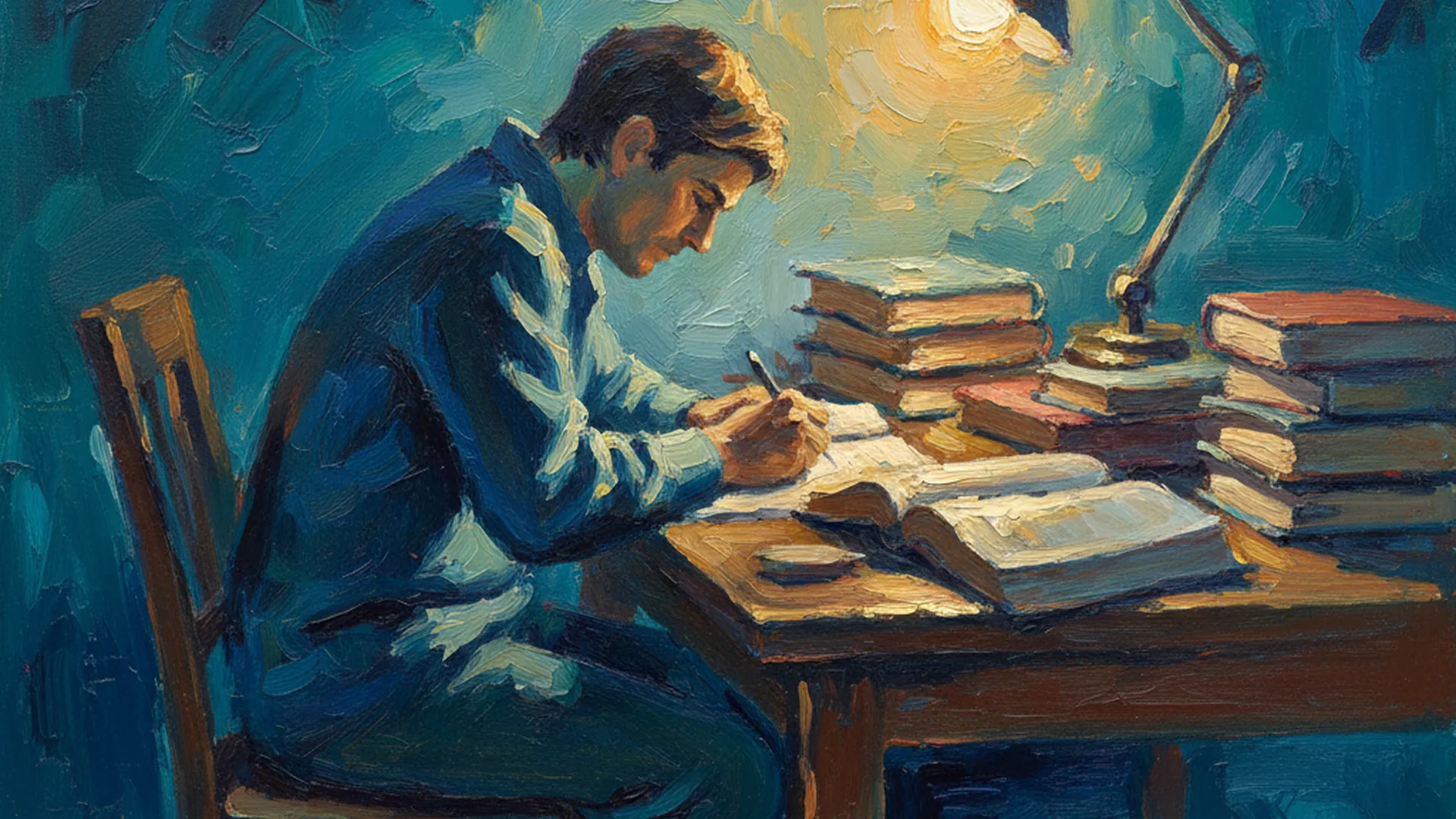
Conceptual and editorial illustration. An article about a difficult idea needs an image that evokes it. AI does this well and cheaply, and nobody assumes an illustration is documentary.
Backgrounds, textures and abstract art. Gradients, patterns, atmospheric scenes with no people. Fine, and often better than the stock equivalent because they can be tuned to the brand's palette.
Drafts and placeholders. Mocking up a page before the photoshoot, testing a layout with roughly the right image shape. Excellent, provided the placeholder is replaced.
Product visualisation of things that do not yet exist. Concept renders, with a clear label that they are concepts.
Consistent illustration systems. A defined style, applied across a site through careful prompting and editing, can produce a distinctive look that would have cost a great deal to commission. This takes real design skill; the tool does not supply it.
Where it damages trust
People presented as your people. Team pages, about pages, "our founder", customer photos. This is the worst use, because the visitor is there to see who they would deal with, and a fabricated face is a small lie at the moment trust is being decided.
Premises and products presented as yours. A restaurant showing AI food, a builder showing AI houses. The visitor came to evaluate the actual work.
Testimonials with generated headshots. Indistinguishable from fake reviews, and increasingly assumed to be exactly that.
Anything factual. A diagram, a map, a chart, a screenshot. Generators produce plausible-looking nonsense here, and a wrong diagram is worse than none.
Industries where authenticity is the product. Healthcare, law, finance, crafts, hospitality, anything local. The gap between the generated image and the real thing is the gap the visitor is trying to close.
The legal and disclosure questions
Licence. Most generators permit commercial use of outputs on paid plans; some free tiers do not. Read the terms and keep a record.
Copyright. In the United States and several other jurisdictions, images generated entirely by AI without meaningful human authorship are not protected by copyright, which means competitors can reuse them freely. The picture is a commodity, not an asset.
Likeness and style. Do not generate recognisable real people, and be cautious with prompts naming living artists; both raise legal and reputational risk.
Disclosure. No general legal requirement exists for decorative use in most places, and regulation is moving, particularly in the EU, toward requiring labels on synthetic media in some contexts. The practical test: if a reasonable visitor would feel misled to learn the image was generated, label it or do not use it. A short note in the image's caption or the site's about page costs nothing.
Rules for using it well
- Decide by category, not by image. Decorative and conceptual: allowed. Documentary: never.
- Develop a style and stick to it. A site with a consistent illustrated look reads as designed; a site with a different generator aesthetic on every page reads as assembled.
- Edit. Crop, adjust colour to the brand, remove artefacts, composite with real elements. The raw output is a starting point.
- Avoid people where possible. Objects, places, abstractions and shapes carry much less of the fake-human signal.
- Write real alt text. The image still needs alt text describing what it shows for the purpose it serves.
- Keep the prompt and the source. For your own records, and in case a licence or provenance question arises.
- Photograph the real things. The team, the space, the product. A phone in good light beats a perfect fabrication, and the combination of real photographs for the factual and a consistent generated style for the conceptual is the pattern that currently works best.
The decision
The cost of images stopped being the constraint. The constraint is now credibility, and credibility is spent every time a visitor notices that a picture is not of anything. Spend AI imagery where noticing does not matter, and spend a morning with a camera where it does. If you would like a visual plan for a site that draws that line properly, book a call.
Common questions
Can you legally use AI-generated images on a commercial website?
Generally yes, if the generator's terms permit commercial use of outputs, which most paid plans do and some free tiers do not. Be aware that purely AI-generated images have limited or no copyright protection in many jurisdictions, so others can reuse them, and avoid generating real people's likenesses or imitating named living artists.
Do AI-generated images hurt SEO?
Not directly; Google indexes them like any image and does not penalise their origin. Indirectly they can, because generic AI imagery signals low-effort content, offers nothing unique for image search, and can reduce trust and engagement. Real photographs of your product, place or work perform better in image search and on the page.
Do I have to disclose AI-generated images on my website?
In most places there is no general legal requirement for decorative use, though regulation is moving toward labelling synthetic media in some contexts, particularly in the EU. The practical rule is to disclose wherever a reasonable visitor would feel misled to discover the image was generated, and never to present generated people, places or products as real ones.
Can people tell if an image is AI-generated?
Increasingly, yes. Over-smooth skin, an ambient glow, distorted hands and text, and a characteristic centred, render-like composition are widely recognised, especially by the online-savvy visitors most likely to be evaluating a business. Recognition tends to translate into a judgement that the business chose fabrication over a photograph.
What is the best use of AI images for a small business website?
Conceptual illustration for articles, backgrounds and abstract visuals tuned to the brand palette, placeholders before a photoshoot, and a consistent illustrated style across the site. Pair that with real photographs of the team, premises and work, taken with a phone in good light if necessary, for everything a visitor would take as a record of reality.